
60flaps * 2drums split flap display clock
 von itoshin


Druckbare Dateien (10)
-
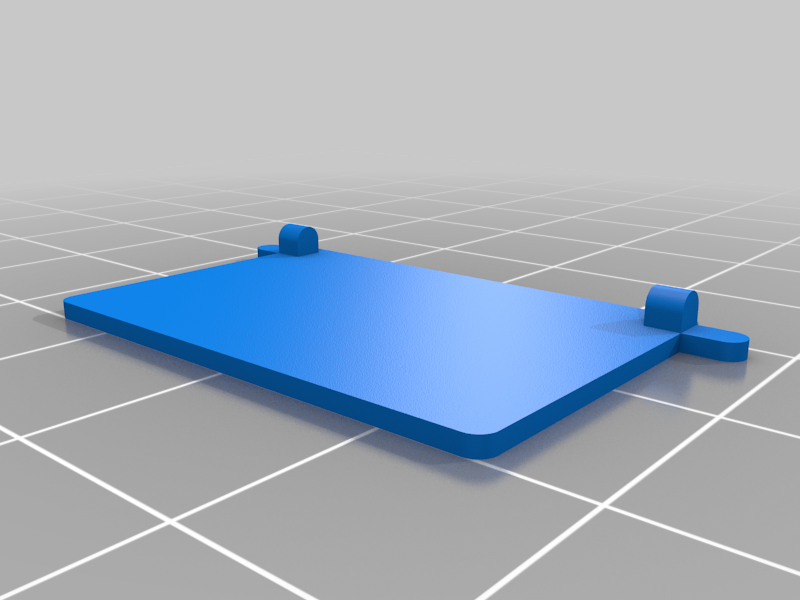 stl
stlpatapata_plate.stl
55 Ko · 3 857 Downloads
-
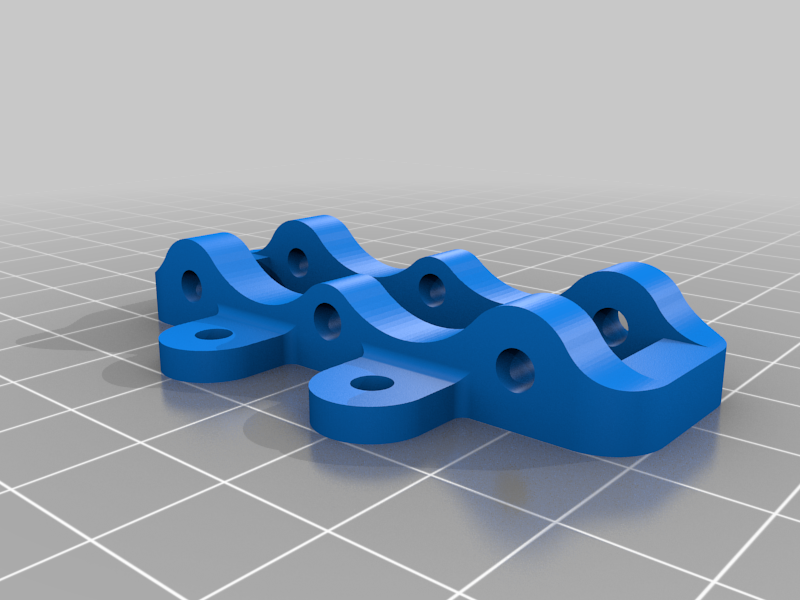 stl
stlpatapata2_baseplate.stl
345 Ko · 3 835 Downloads
-
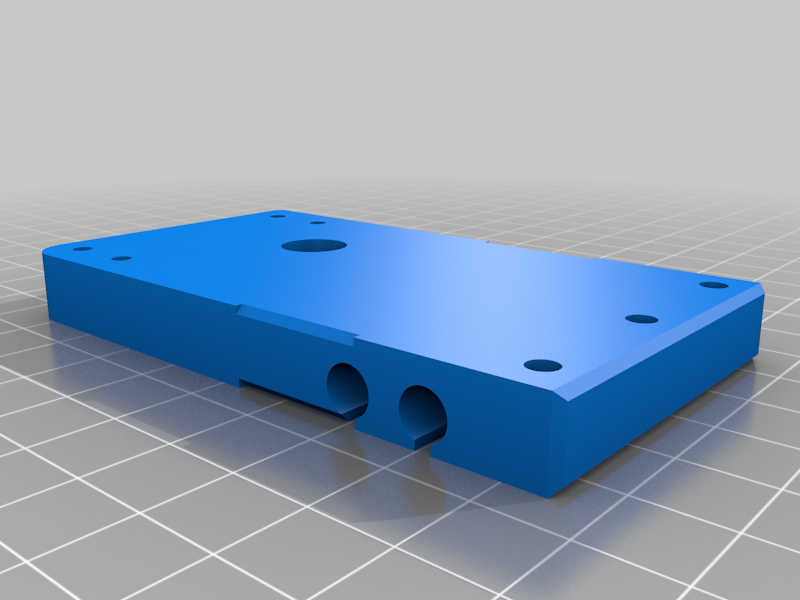 stl
stlpatapata2_centerbracket.stl
992 Ko · 3 825 Downloads
-
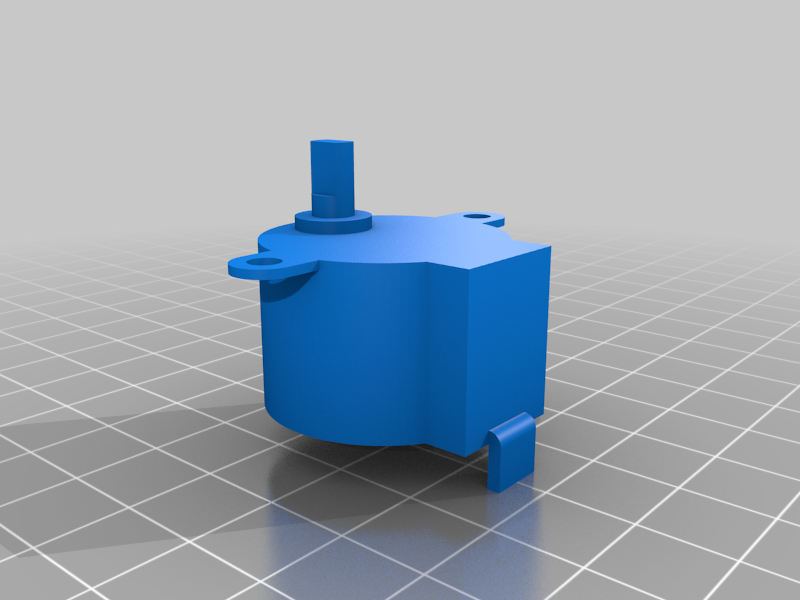 stl
stl28byj-48.stl
110 Ko · 3 833 Downloads
-
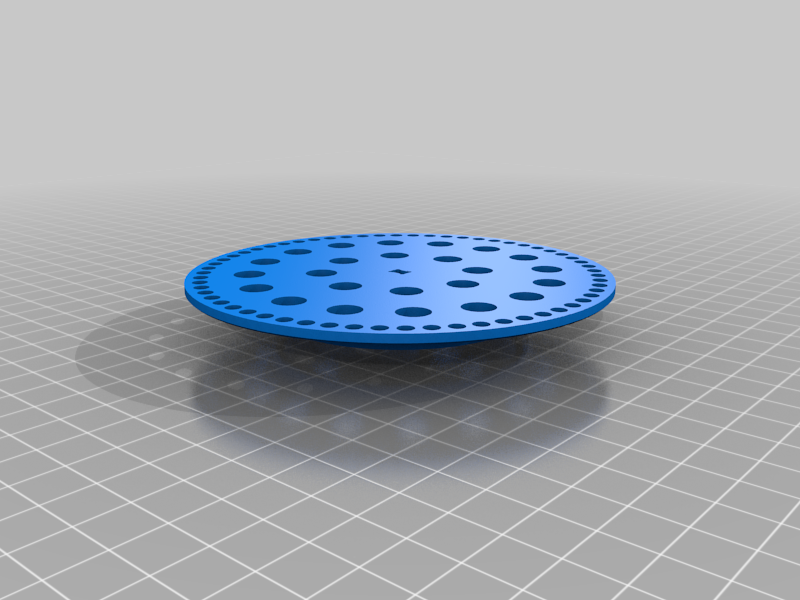 stl
stlpatapata2_outergear.stl
2.3 Mo · 3 837 Downloads
-
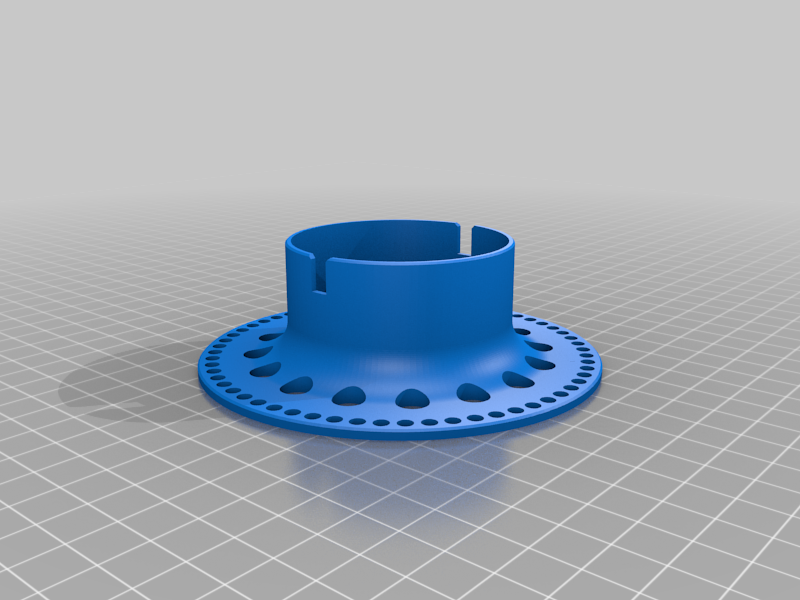 stl
stlpatapata2_outerwheel.stl
1.8 Mo · 3 831 Downloads
-
 stl
stlledbracket.stl
107 Ko · 3 824 Downloads
-
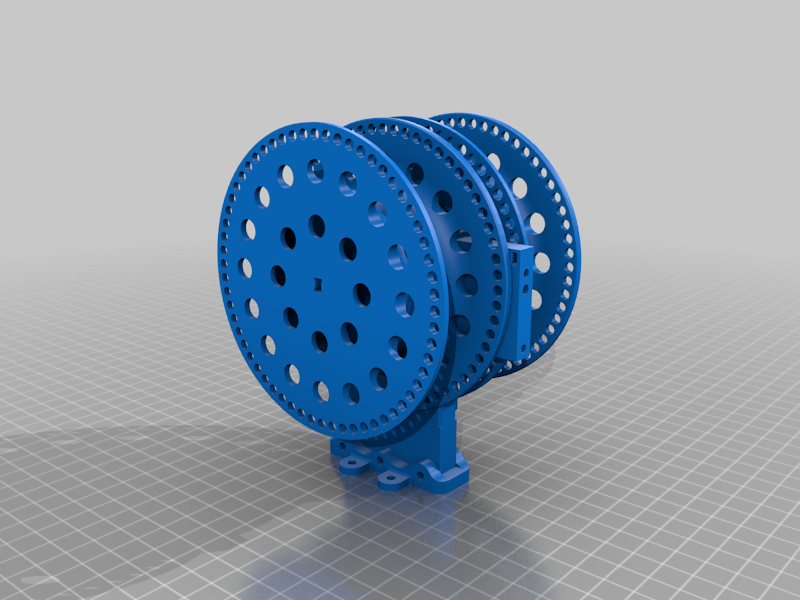 stl
stlpatapata2_assy.stl
13 Mo · 3 831 Downloads
-
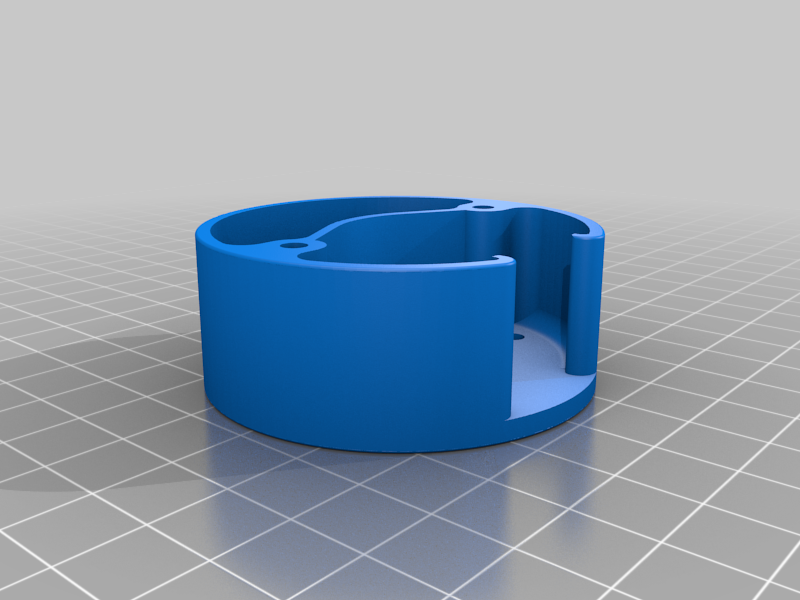 stl
stlpatapata2_motormount.stl
1.6 Mo · 3 818 Downloads
-
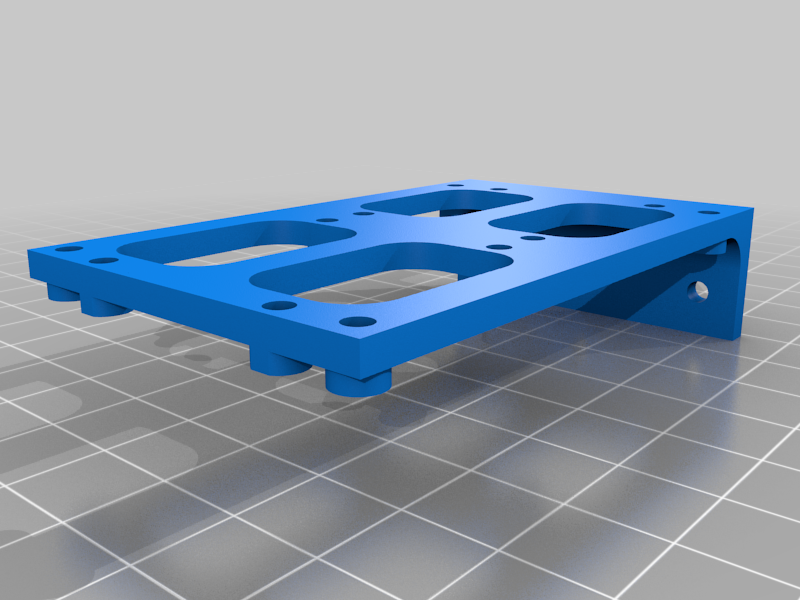 stl
stlpatapata2_pcb_holder.stl
564 Ko · 3 801 Downloads
Beschreibung
How it works:
- According to the time provided by RTC, Arduino moves the 28BYJ-48 stepping motor.
- The right drum moves one step per minute, and the left drum moves one step per hour. Attach 60 plates to each drum.
- With a photo reflector in the drum, Arduino knows the absolute angle.
For the four digit split flap display clock I made previously, improved the following things:
- Reduced the number of motors from 4 to 2.
- Remove of gear by coaxial arrangement of drum and motor.
- Wiring hidden in the frame.
- Reduces the influence of ambient light by changing the position of the infrared sensor.
It takes a long time to paste the number seal. It took me a day. If you have a printer with a dual nozzle and you can make 3D data of a plate with numbers, you can easily print it.
I uploaded Arduino sourse code and schematic.
See also,
https://youtu.be/t2TUIGJOSqw
http://www.instructables.com/id/BYJ48-Stepper-Motor/
http://www.instructables.com/id/Real-time-clock-using-DS3231-EASY/