
Sleeve Valve Engine Model
 por emmett


Archivos imprimibles (10)
-
 stl
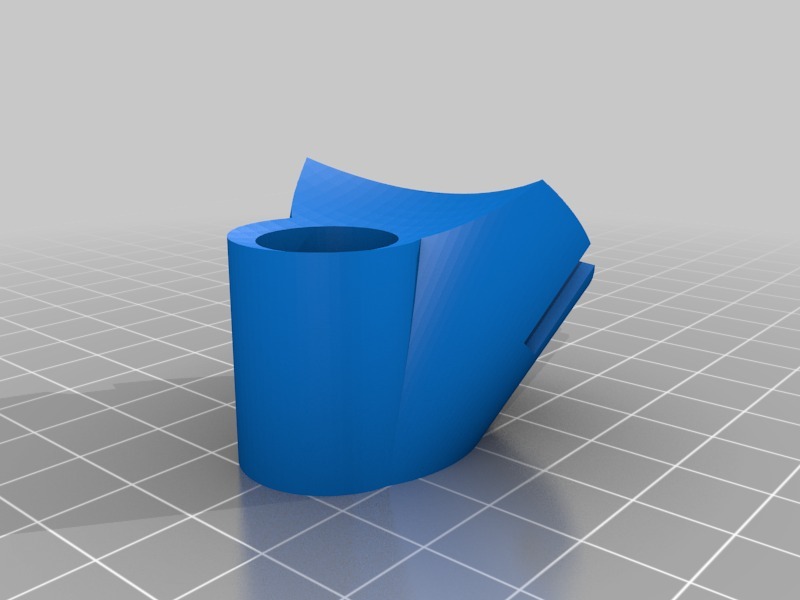
stllowerCasing.stl
366 Ko · 3 673 descargas
-
 stl
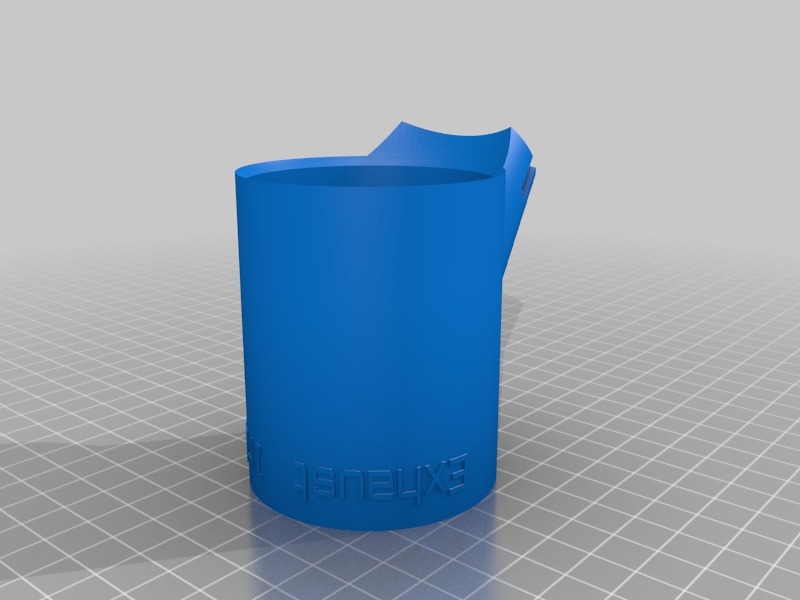
stlupperCasing.stl
938 Ko · 3 680 descargas
-
 stl
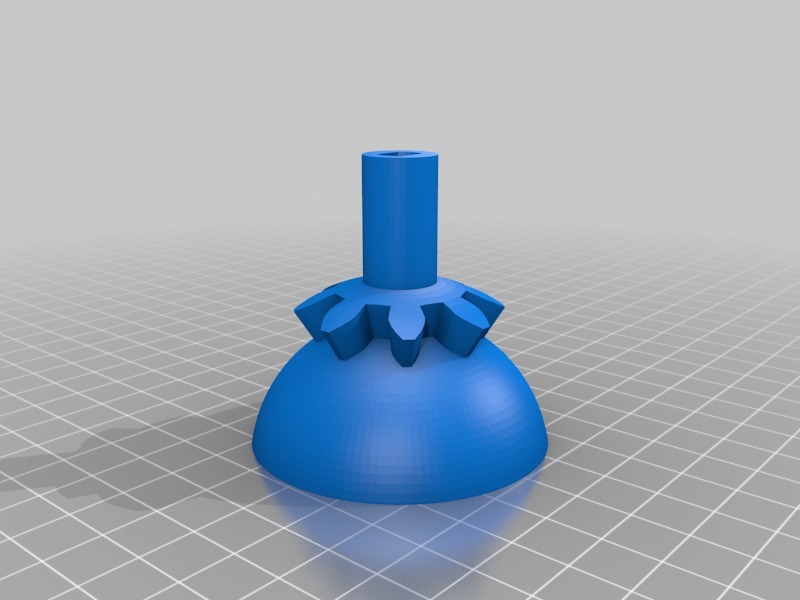
stldriveShaft.stl
1.7 Mo · 3 759 descargas
-
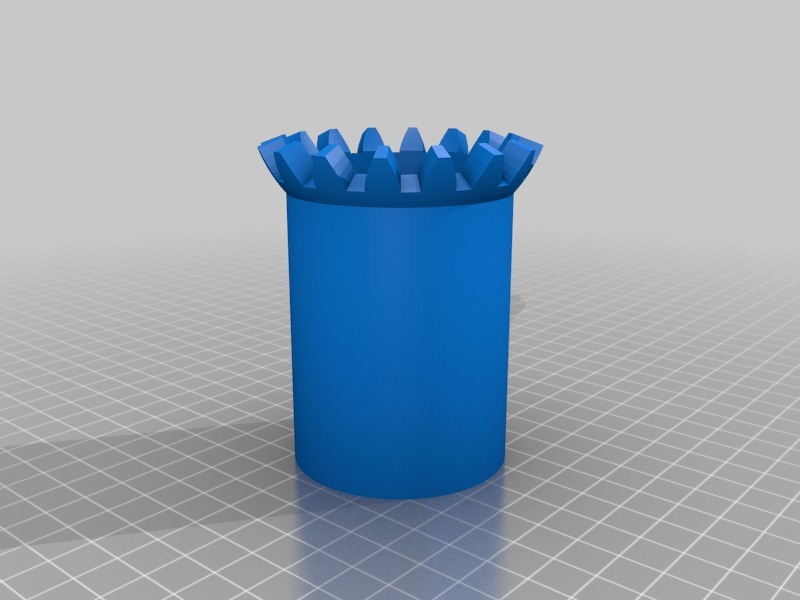 stl
stlsleeve.stl
1.1 Mo · 3 649 descargas
-
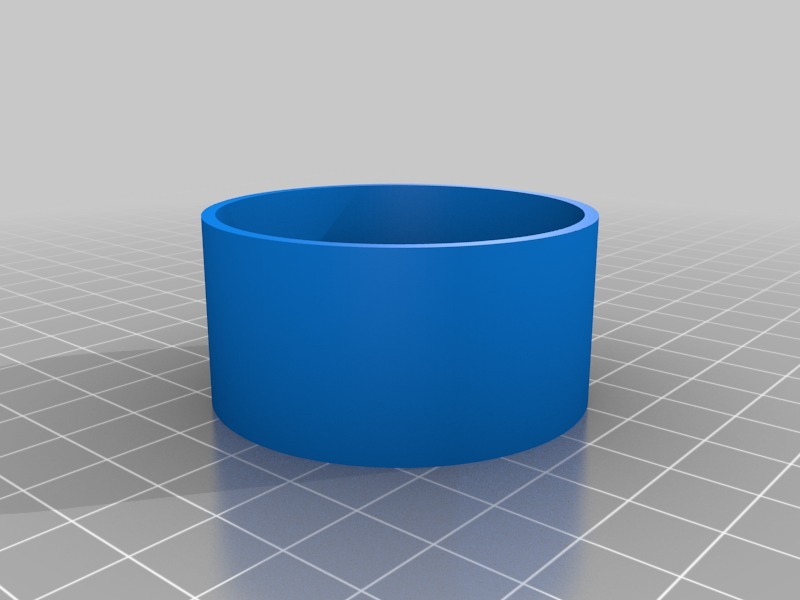 stl
stlpiston.stl
294 Ko · 3 740 descargas
-
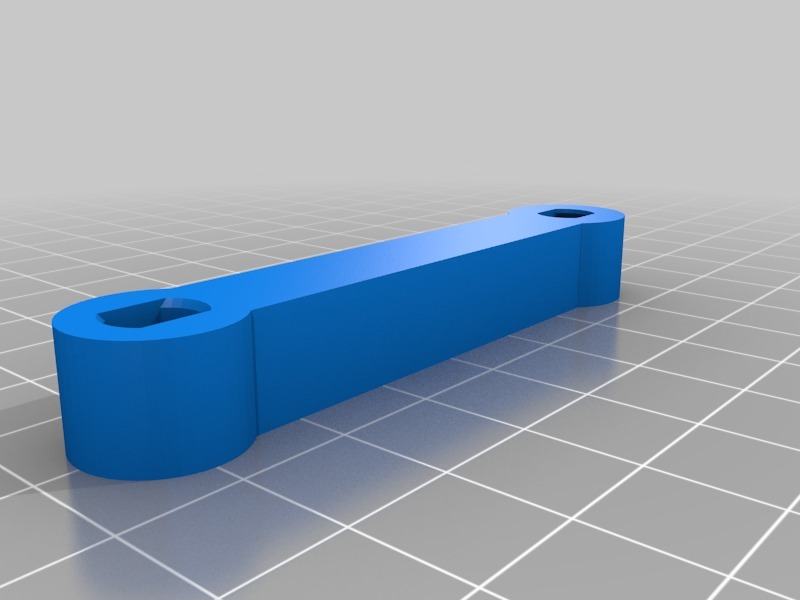 stl
stlcrank.stl
190 Ko · 3 648 descargas
-
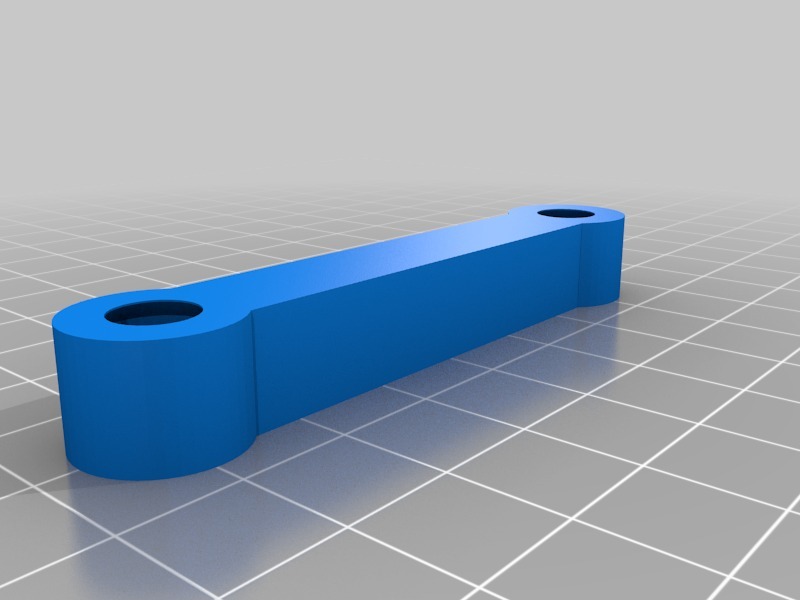 stl
stlrod.stl
253 Ko · 3 612 descargas
-
 stl
stlclip.stl
3 Ko · 3 748 descargas
-
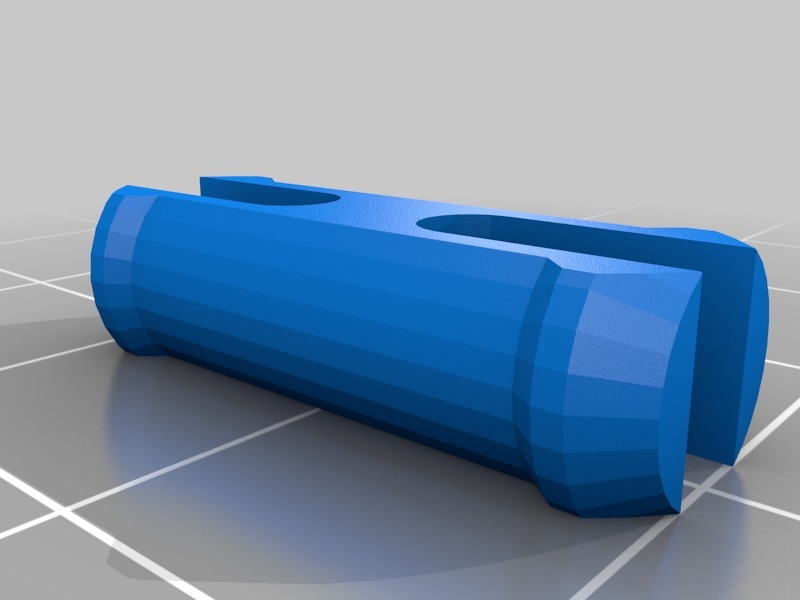 stl
stlpin.stl
103 Ko · 3 658 descargas
-
 stl
stlhandle.stl
131 Ko · 3 632 descargas
Descripción
The sound of the engines at the Reno Air Races is truly incredible, but this year one in particular caught my attention. A Sea Fury flew past with its original Bristol Centaurus engine, and the sound was notably different than the other radials, very low and smooth. It turns out this is a sleeve valve engine, which explains the different sound. I figured it'd be a cool thing to make a model of.
Well, it turns out the Bristol Centaurus is not a simple engine (seriously, that's an understatement). However, during the search I came upon an alternate sleeve valve design used in radio control airplanes. This design is not only simpler than the Bristol Centaurus, but is actually simpler than any other 4-stroke piston engine I've seen: http://www.rcvengines.com/how-it-works.htm.
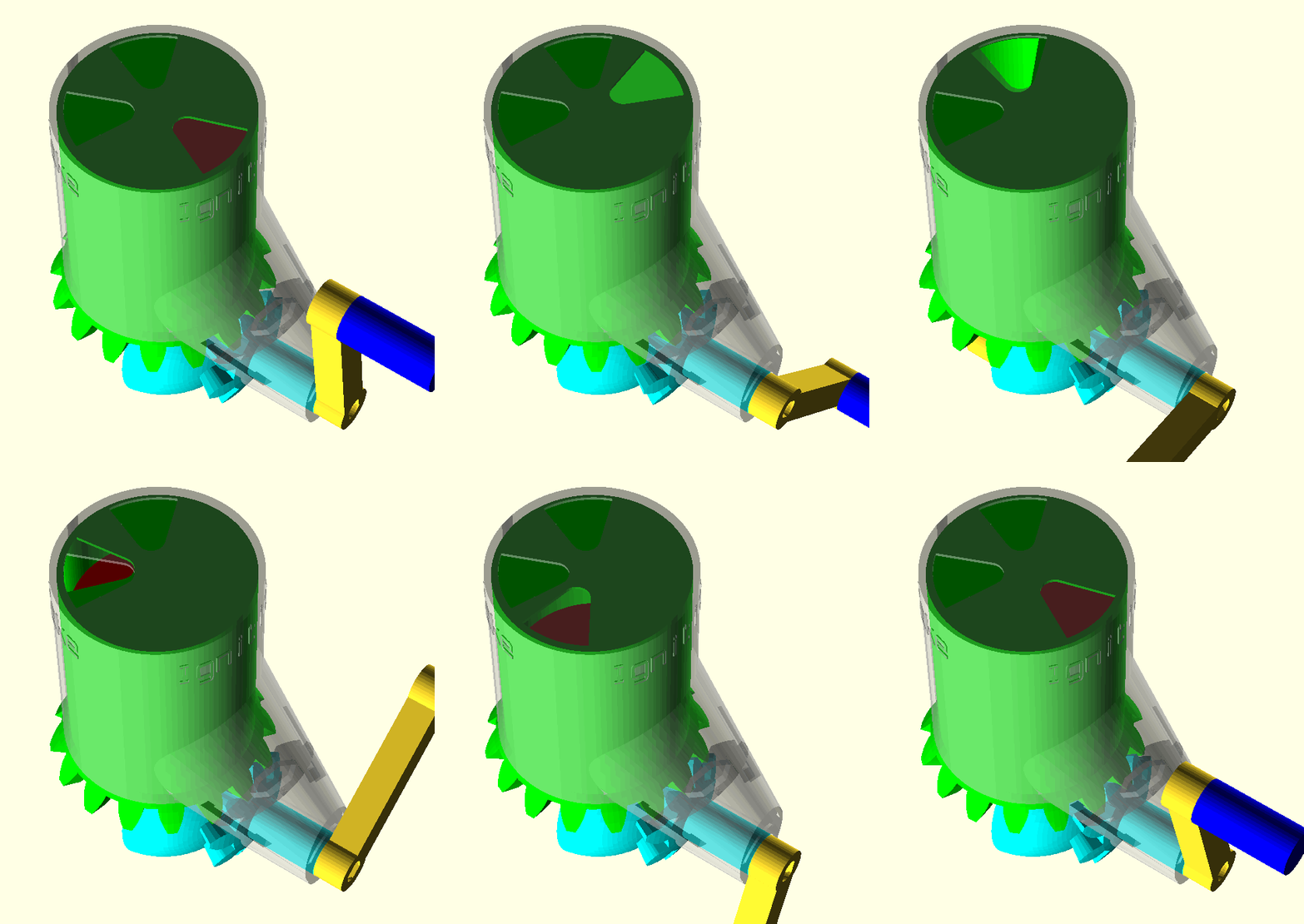
So, here is a fully printable, snap-together model of a 4-stroke engine that clearly demonstrates the four strokes: intake, compression, expansion and exhaust. What I'm most pleased with is that the tolerances allow it to spin easily, yet you can still feel the difference in torque between the compression and exhaust strokes.