
Modular Spectrometer
 por ndamrauer


Archivos imprimibles (13)
-
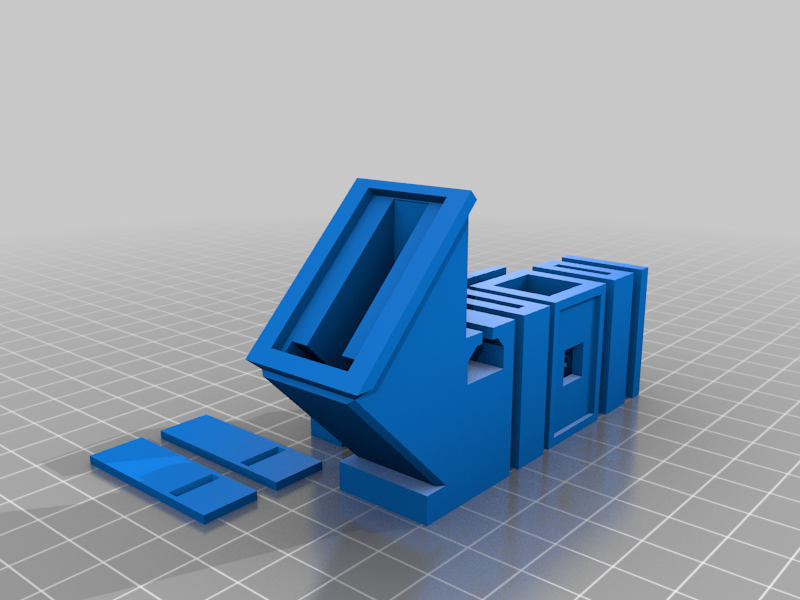 stl
stlAll_Parts_Together.stl
337 Ko · 407 descargas
-
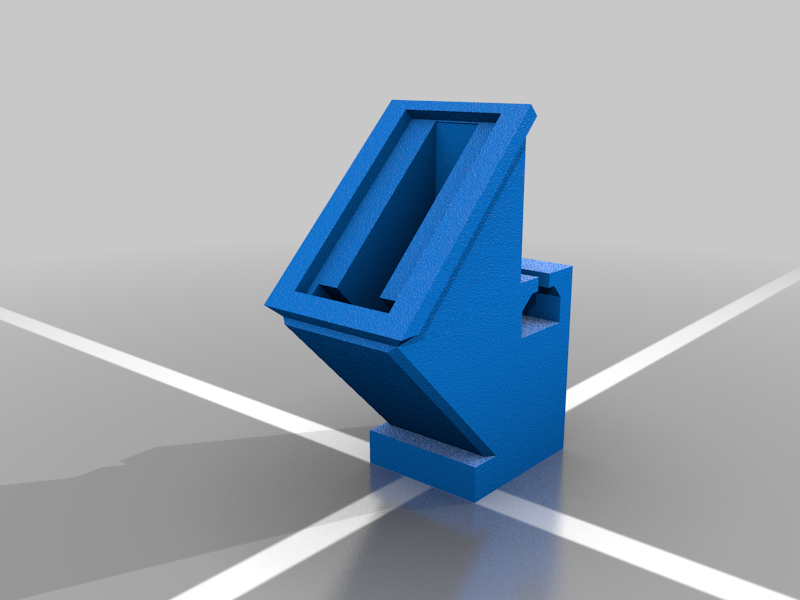 stl
stlSpectrometer_body.stl
66 Ko · 396 descargas
-
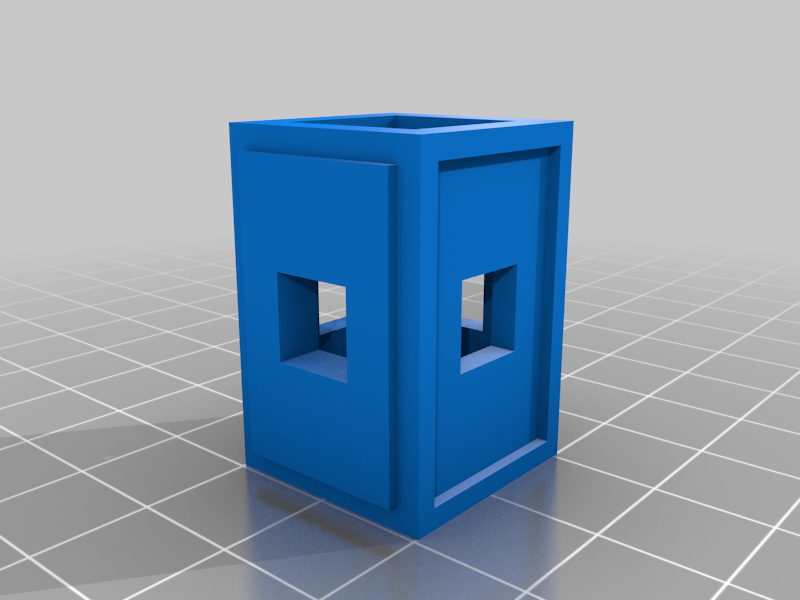 stl
stlSample_Holder_second_try.stl
51 Ko · 327 descargas
-
 stl
stl0.25_mm_slit.stl
9 Ko · 375 descargas
-
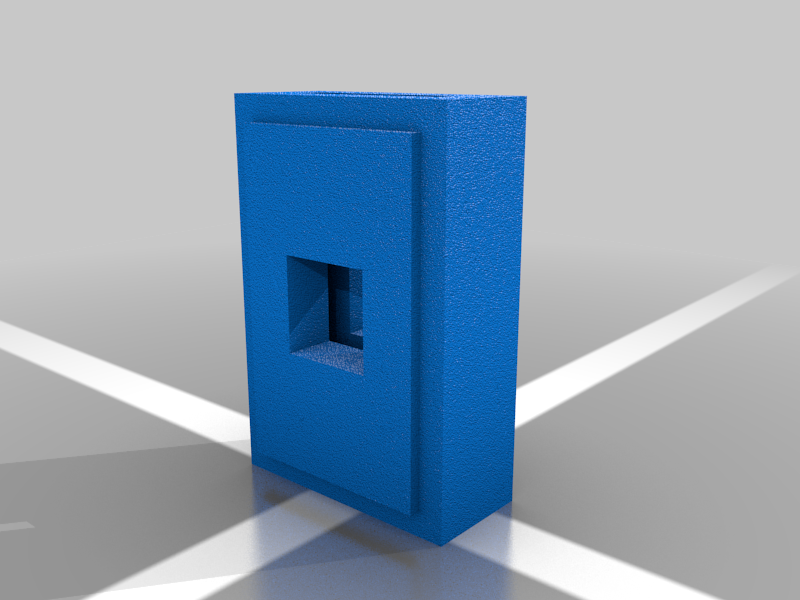 stl
stlSlit_Assembly.stl
32 Ko · 378 descargas
-
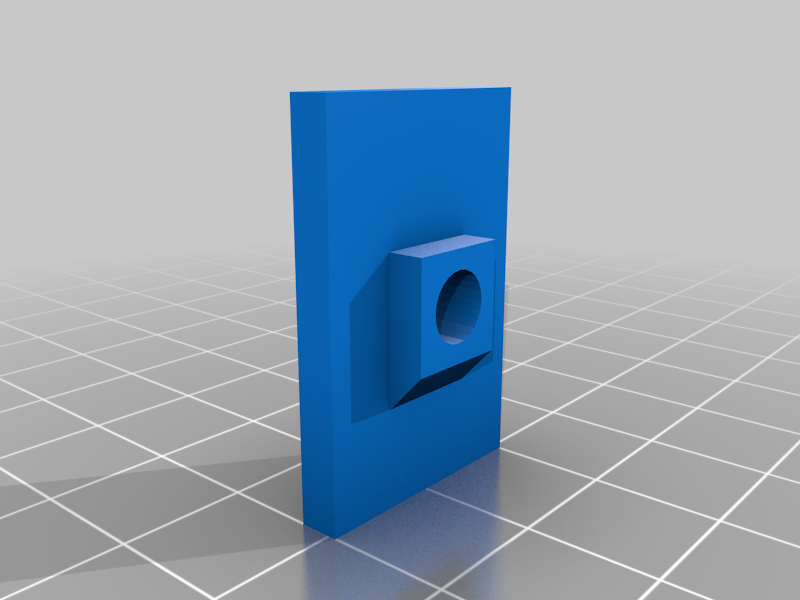 stl
stlLED_holder_plate.stl
65 Ko · 373 descargas
-
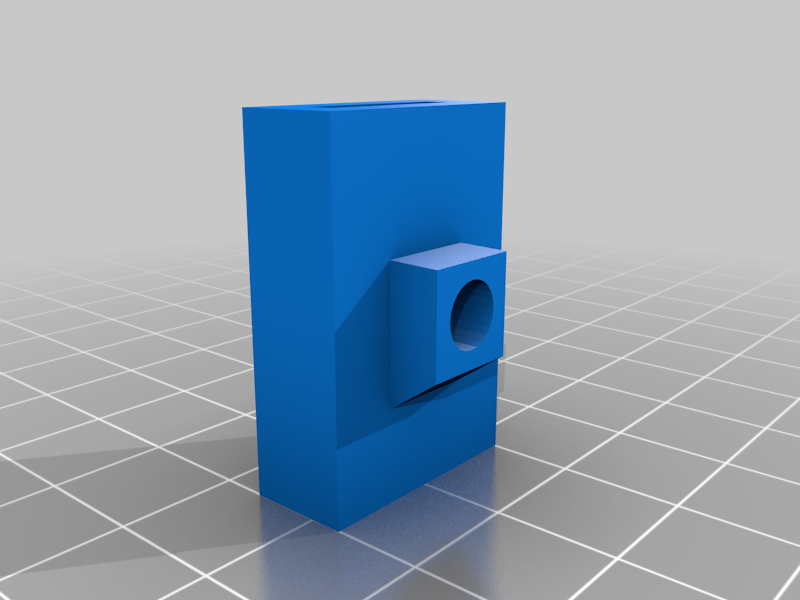 stl
stlLED_holder_plus_Diffuser.stl
67 Ko · 357 descargas
-
 stl
stl0.1_mm_slit.stl
9 Ko · 368 descargas
-
 stl
stlBlank_Plate.stl
10 Ko · 370 descargas
-
 stl
stlEmission_spectrometer_spectroscope_config.stl
94 Ko · 361 descargas
-
 stl
stlEmission_spectrometer_glowstick_config.stl
172 Ko · 360 descargas
-
 stl
stlEmission_spectrometer_photoexcitation_config.stl
232 Ko · 362 descargas
-
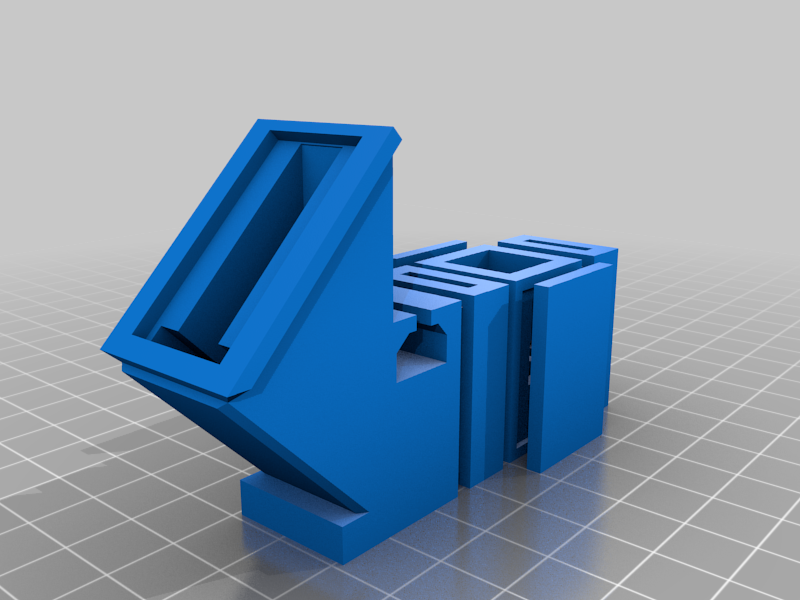 stl
stlAbsorption_spectrometer_config.stl
233 Ko · 373 descargas
Descripción
This is a modular spectrometer designed to teach students about the working components of complex scientific instruments and to explore the spectroscopic properties of substances around them. For a detailed description of their use, please visit https://www.colorado.edu/lab/damrauergroup/modular-spectrometer. These parts are intended to be used with a cell phone camera acting as a light-intensity detector. We have designed and used these for an introductory chemistry course at the University of Colorado Boulder and want them to be made available widely during the pandemic for use by any teachers and students who may be working and teaching remotely. The student can mix and match the components to create various instruments. For example: (1) a UV-Vis Absorption Spectrometer to measure what colors of light a substance - such as a dye in solution - absorbs and how strongly it does this for each color {an absorption spectrum}; (2) a fluorometer to measure what colors of light a substance emits after photo-excitation and the intensity per color that it does so {an emission spectrum}; and (3) a spectroscope to measure the spectrum of light sources such as the line spectrum of a common compact fluorescent light bulb.