
Polychora Pots
 por DaveMakesStuff


Archivos imprimibles (5)
Descripción
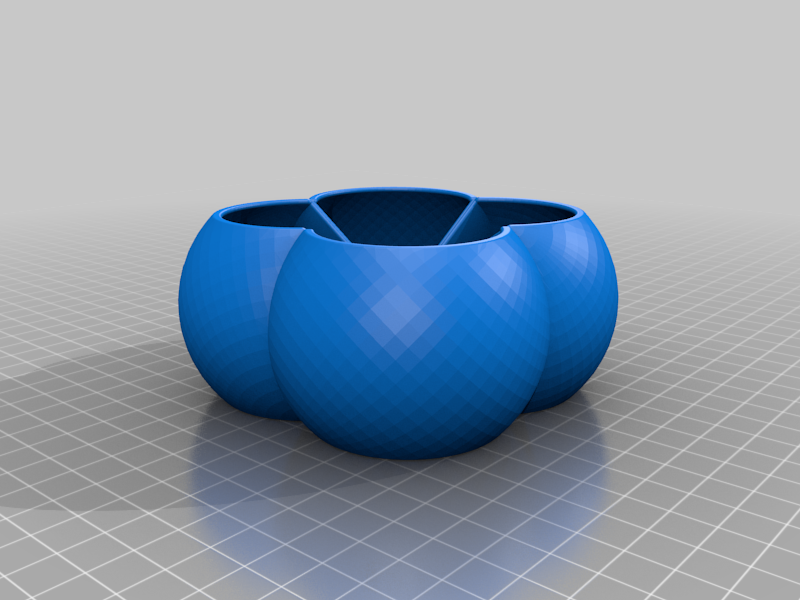
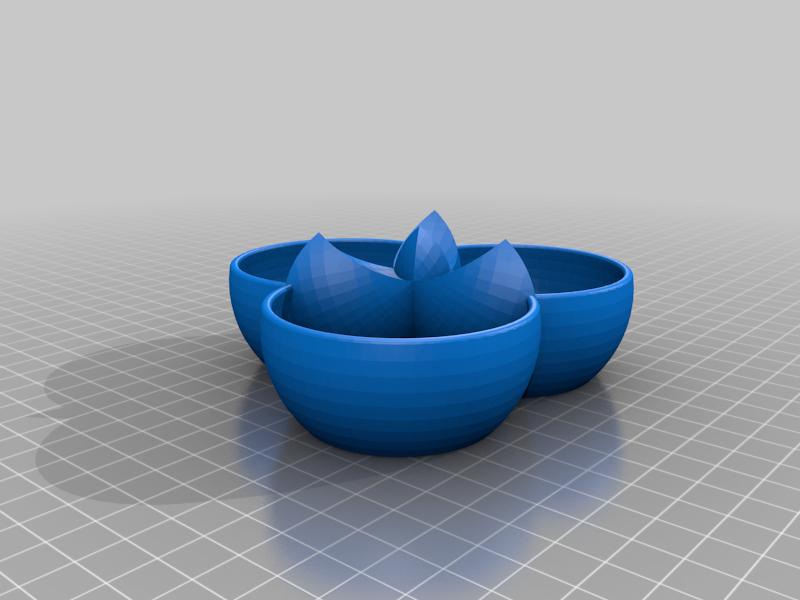
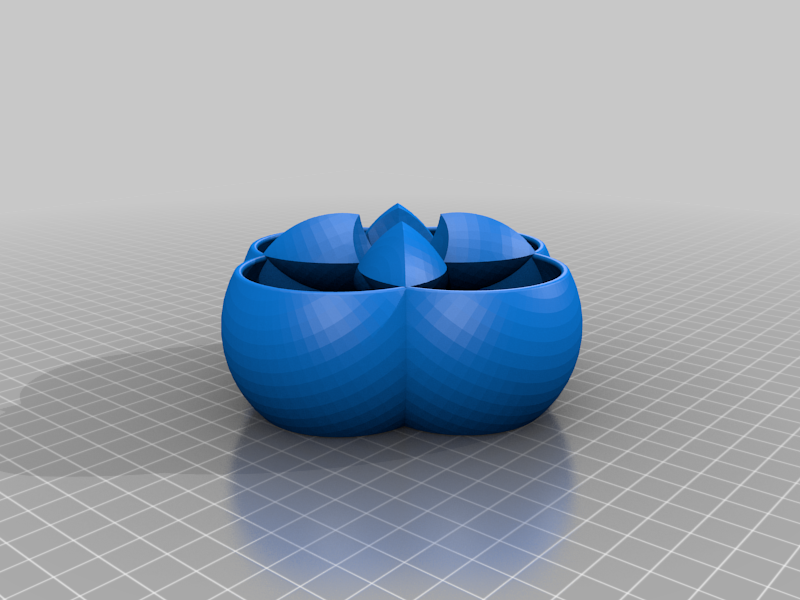
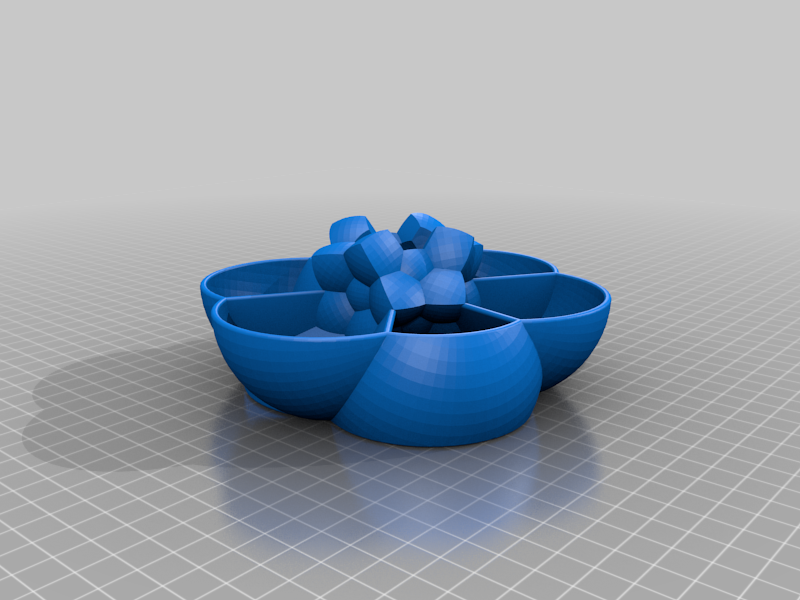
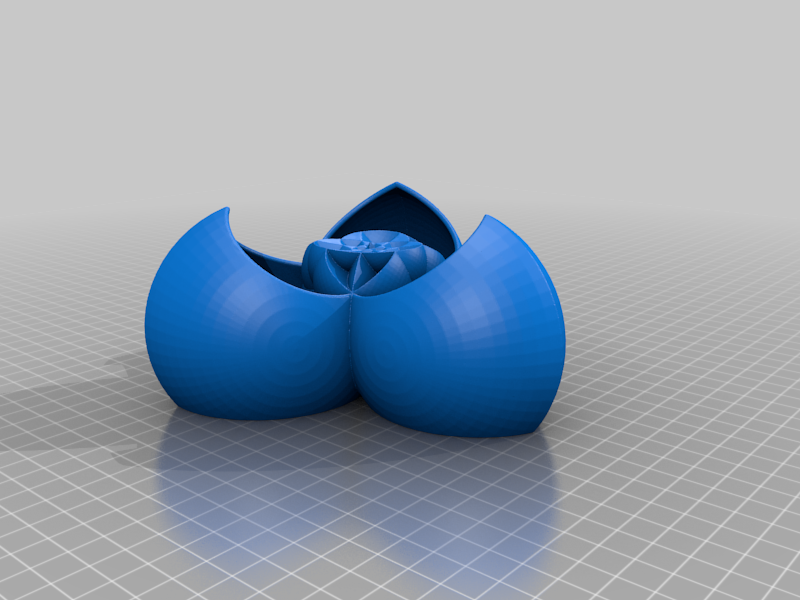
These polychora pots are derived from five of the six regular four-dimensional polytopes, or 4-polytopes. They can be used as candy bowls, planters, or just weird decorations.
There are six regular convex 4-polytopes, the 5-Cell, 8-Cell, 16-Cell, 24-Cell, 120-Cell, and 600-Cell. You can learn more about them here: https://en.wikipedia.org/wiki/Regular_4-polytope
4-polytopes cannot be seen in three-dimensional space due to their extra dimension, but there are several techniques that can be used to “project” 4-polytopes into three-dimensional space. These pots use the cell-centered stereographic projection method, chosen for the interesting aesthetic appearance.
Select cells have been removed from the original 4-polytope to allow maximal viewing of the various cells. Some of the large hollow cells have also been sliced in the xy plane to allow for easier access.
While these three-dimensional shapes have curved faces and edges of various lengths, it is interesting to imagine that in four-dimensional space, the faces are flat, and the edges are straight and identical in length.
The 8-cell is composed of eight cubical cells. The 16-cell is composed of 16 tetrahedral cells. The 24-cell is composed of 24 octahedral cells. The 120-cell is composed of 120 dodecahedral cells. The 600-cell is composed of 600 tetrahedral cells.