
Running activity visualization beads
 di danielkschneider


File stampabili (12)
-
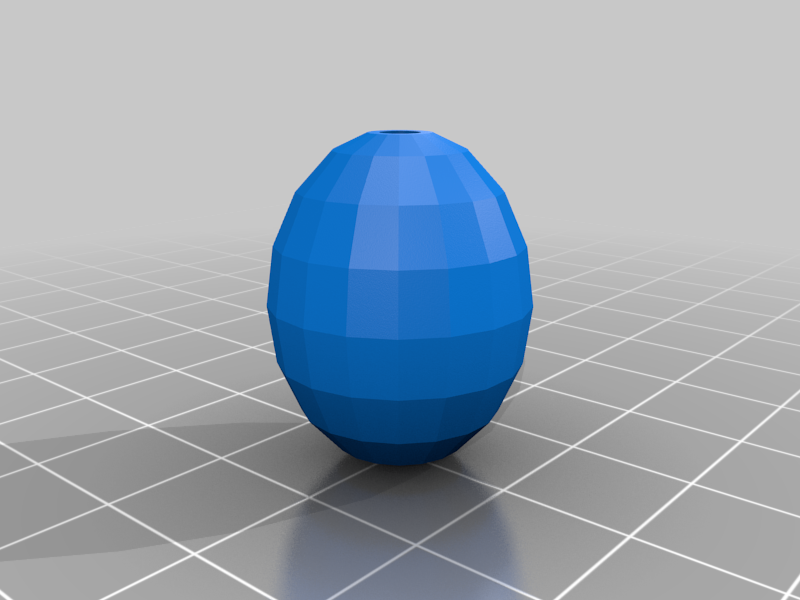 stl
stlrunning_bead-20km-100minutes.stl
142 Ko · 1 173 download
-
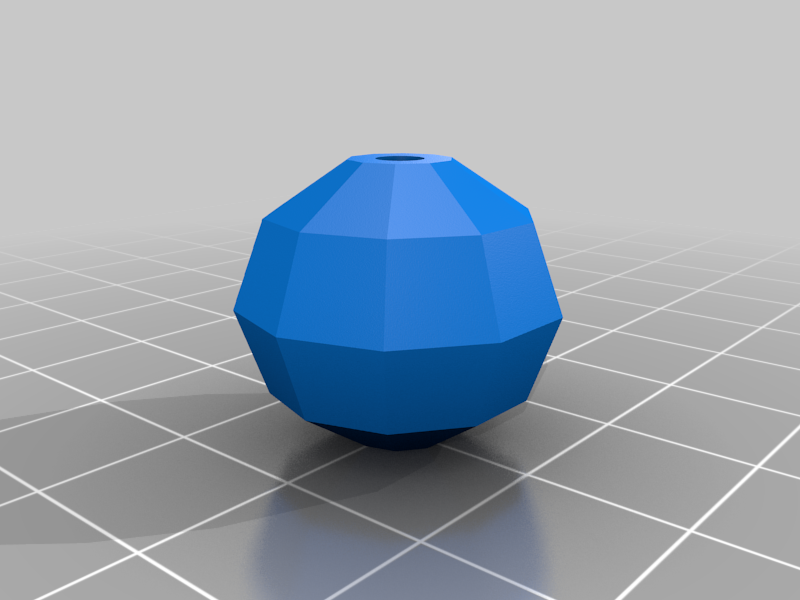 stl
stlrunning_bead-8km-120minutes.stl
95 Ko · 1 161 download
-
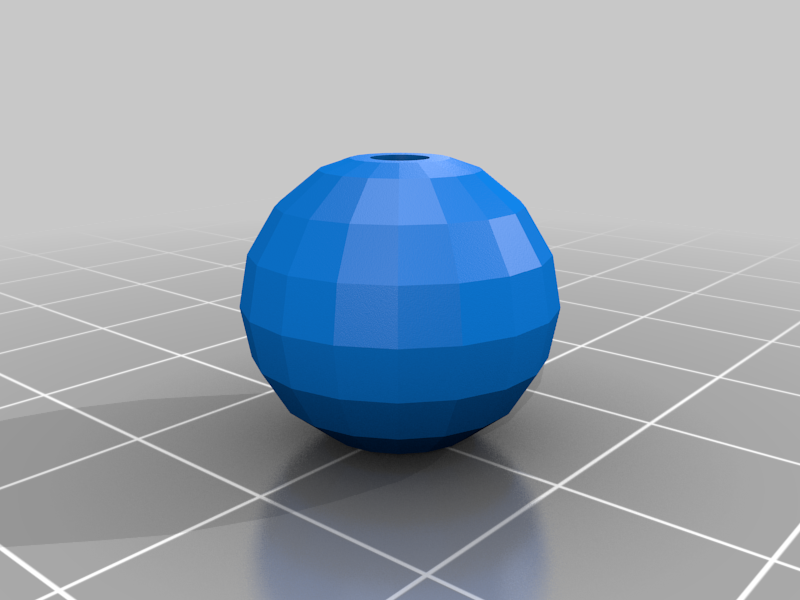 stl
stlrunning_bead-9km-45minutes.stl
143 Ko · 1 174 download
-
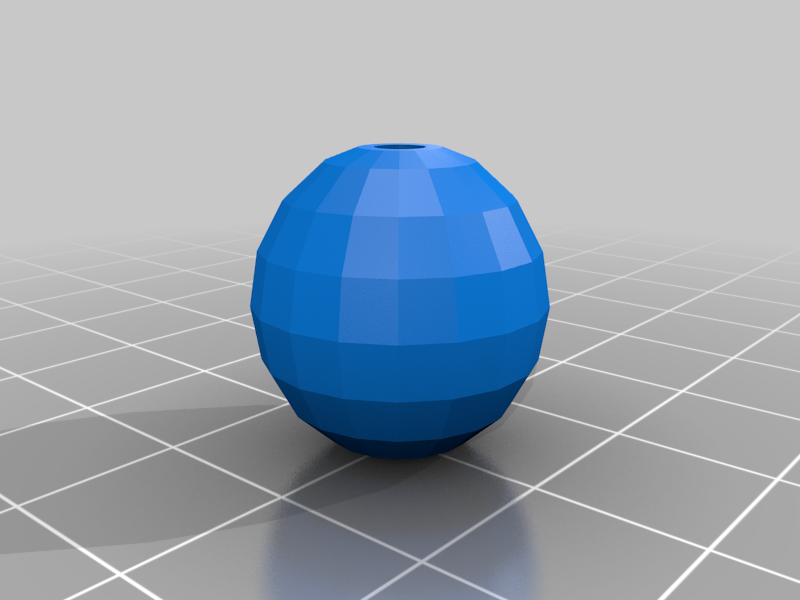 stl
stlrunning_bead-12km-60minutes.stl
143 Ko · 1 156 download
-
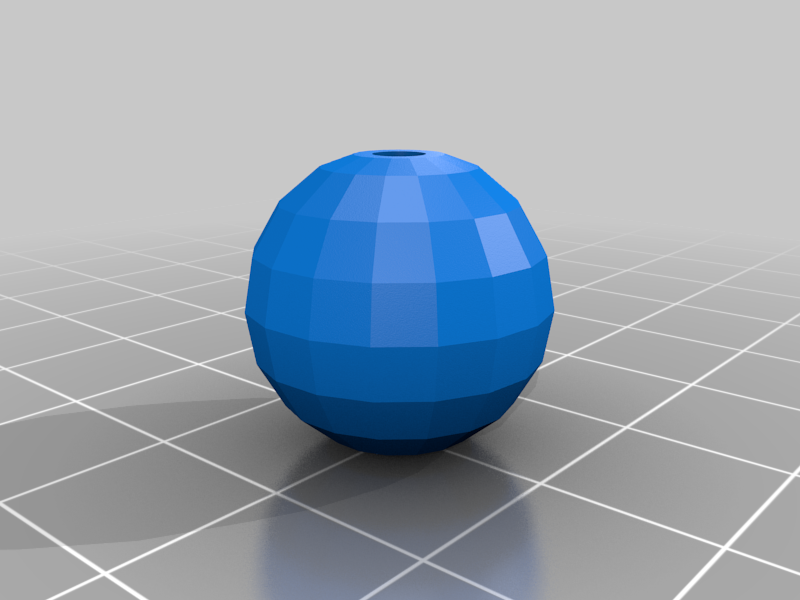 stl
stlrunning_bead-10km-60minutes.stl
140 Ko · 1 165 download
-
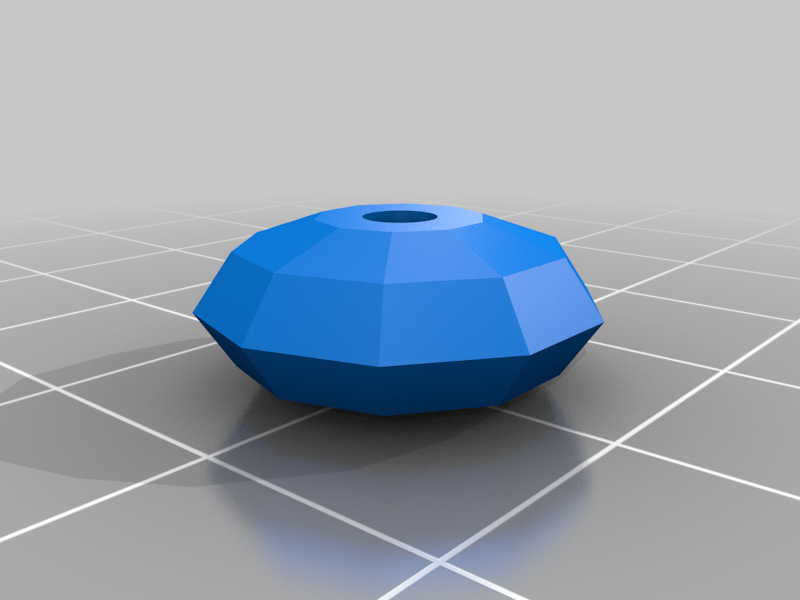 stl
stlrunning_bead-3km-45minutes.stl
95 Ko · 1 154 download
-
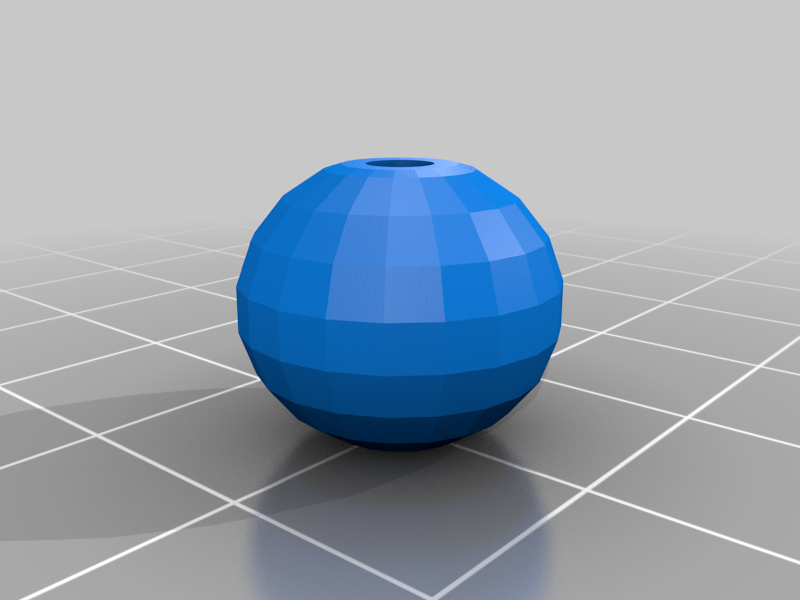 stl
stlrunning_bead-8km-30minutes.stl
157 Ko · 1 170 download
-
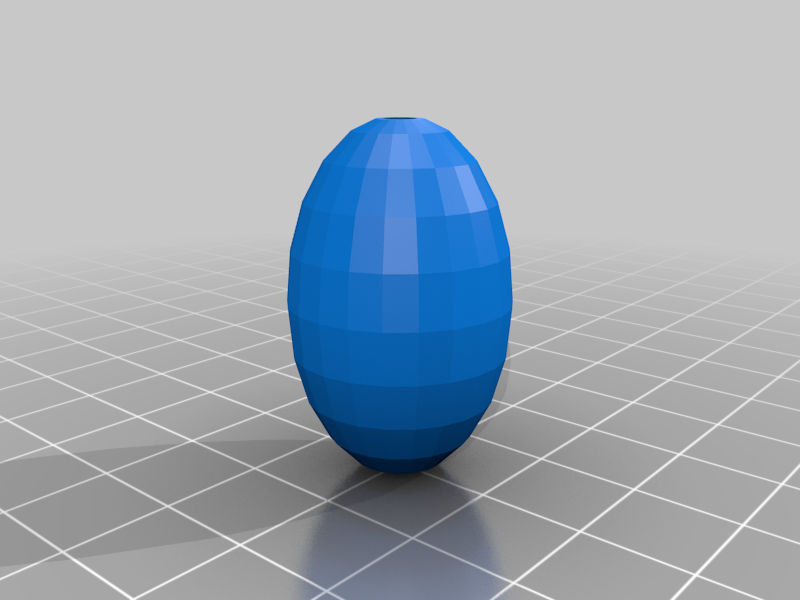 stl
stlrunning_bead-42km-123minutes.stl
176 Ko · 1 167 download
-
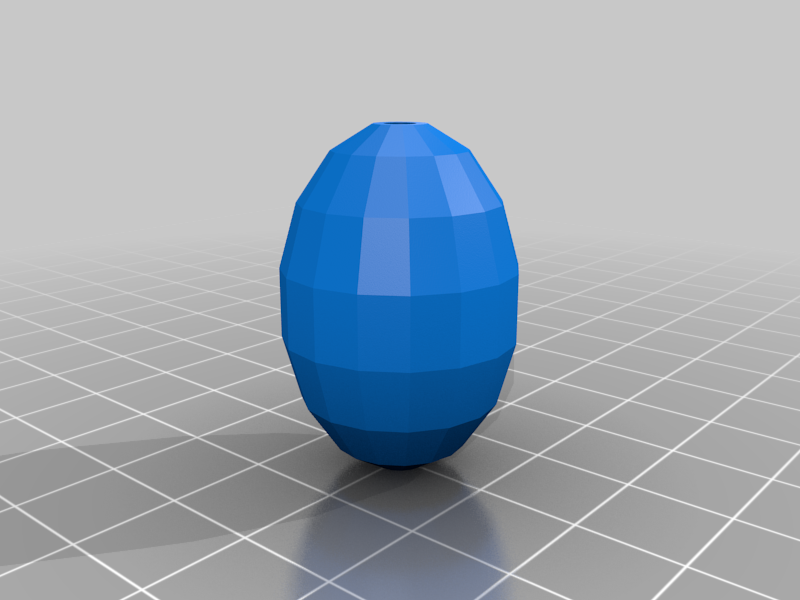 stl
stlrunning_bead-30km-200minutes.stl
130 Ko · 1 154 download
-
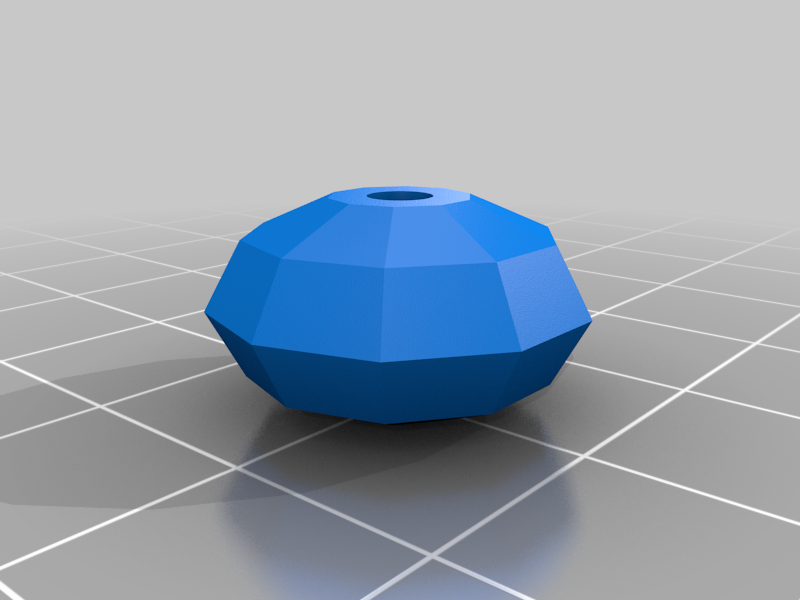 stl
stlrunning_bead-4km-60minutes.stl
95 Ko · 1 146 download
-
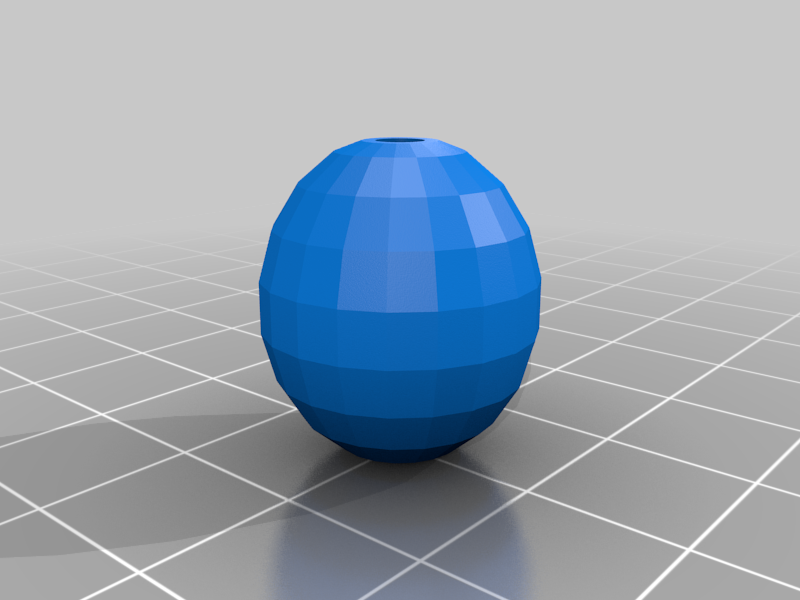 stl
stlrunning_bead-15km-60minutes.stl
157 Ko · 1 146 download
-
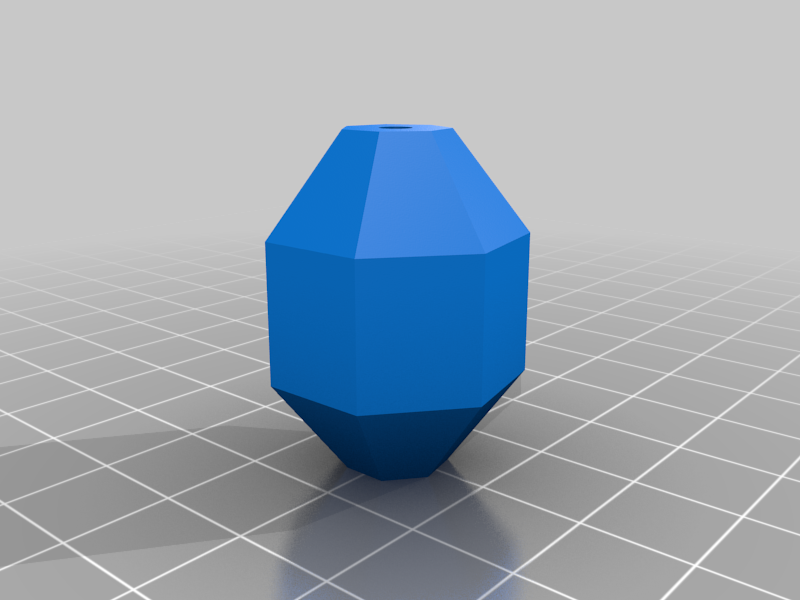 stl
stlrunning_bead-20km-420minutes.stl
81 Ko · 1 160 download
Descrizione
The purpose of these beads is to visualize your running or walking activity. For each run/walk you can print a parametrized bead. It visualizes three parameters:
- Running or walking duration: Bead diameter
- Running or walking distance: Bead length modification
- Average speed: Resolution (higher=faster)
Use the easy-to-use Customizer (click on "apps") to create beads that visualize your own running (or download the OpenScad code).
Duration is more important than kilometers or speed, but you can change that by editing the code. The picture chosen to represent the thing shows: A 20km walk in 7 hours, 1 hour of jogging and the best marathon run ever.
Creating a string of pearls that you could proudly wear may help you engaging in running or walking activities. Imaging a deal with your partner: For each achieved run or walk, you will give or receive a silver-plated bead (via an on-line printing service). The bigger, the longer and the smoother they are, the better you do.
This design was inspired by Stusak, S., Tabard, A., Sauka, F., Khot, R. A., & Butz, A. (2014). Activity sculptures: Exploring the impact of physical visualizations on running activity. IEEE transactions on visualization and computer graphics, 20(12), 2201-2210. https://www.medien.ifi.lmu.de/pubdb/publications/pub/stusak2014vis/stusak2014vis.pdf
This is a proof of concept. The OpenScad code probably should be tweaked to fit real runner's perceptions (I walk and do not run). In addition, it could implement more precise information, e.g. as described in the article.