
OpenBraille
 par carloscampos


Fichiers imprimables (16)
-
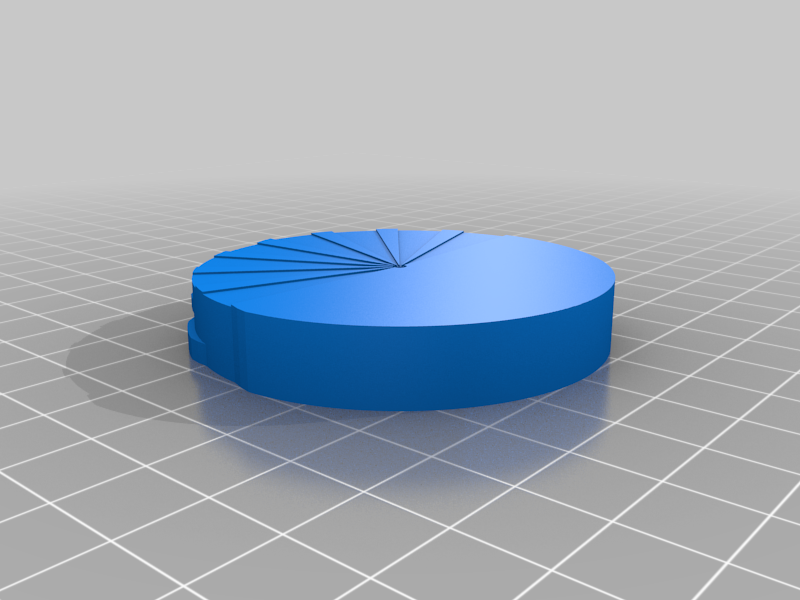 stl
stlServo_wheel_V2.stl
837 Ko · 2 233 téléchargements
-
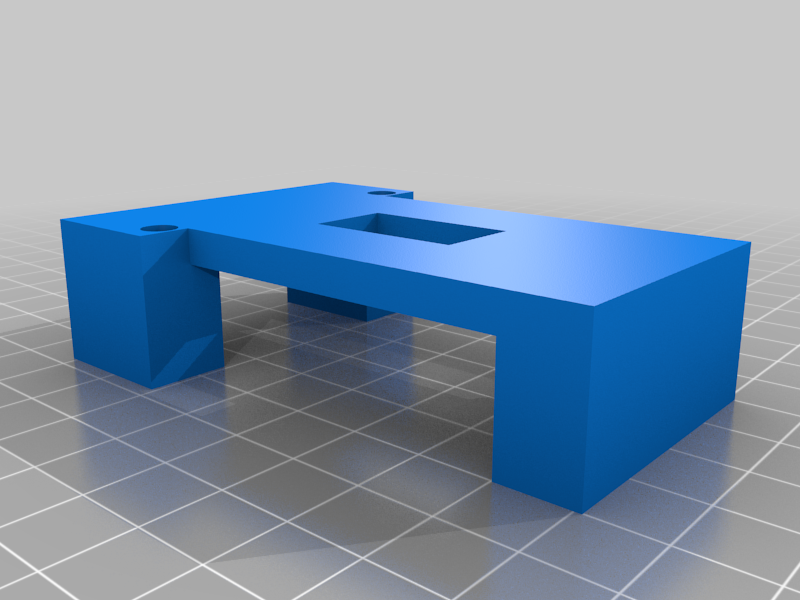 stl
stlWheel_base.stl
557 Ko · 2 208 téléchargements
-
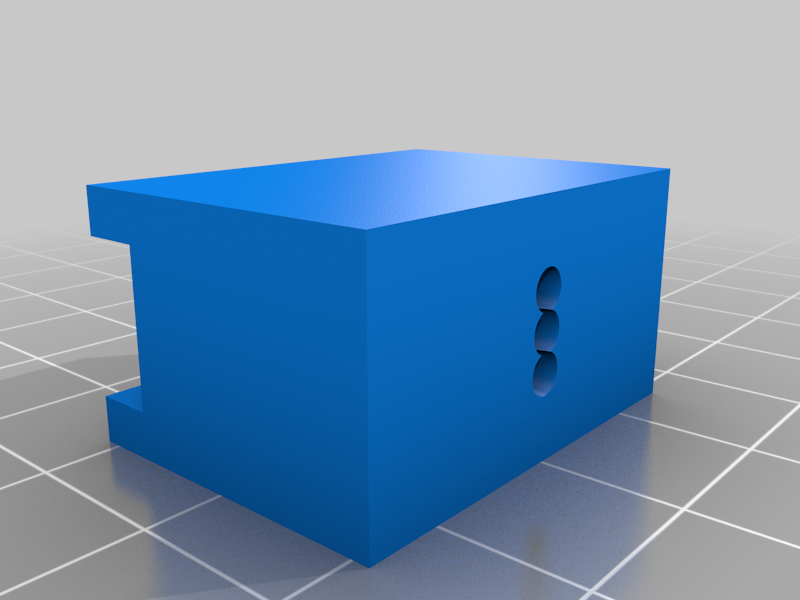 stl
stlpin_holder.stl
393 Ko · 2 190 téléchargements
-
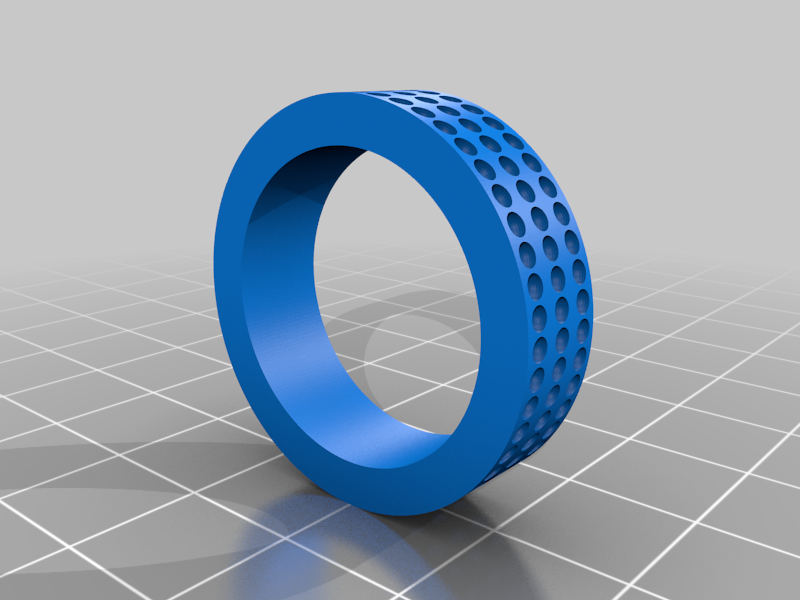 stl
stlRoller.stl
26.7 Mo · 2 216 téléchargements
-
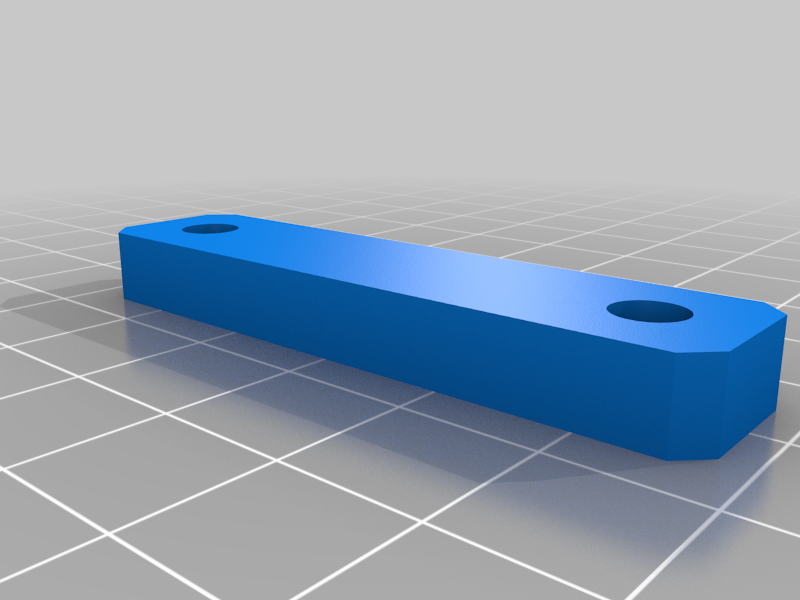 stl
stlSpacer.stl
254 Ko · 2 180 téléchargements
-
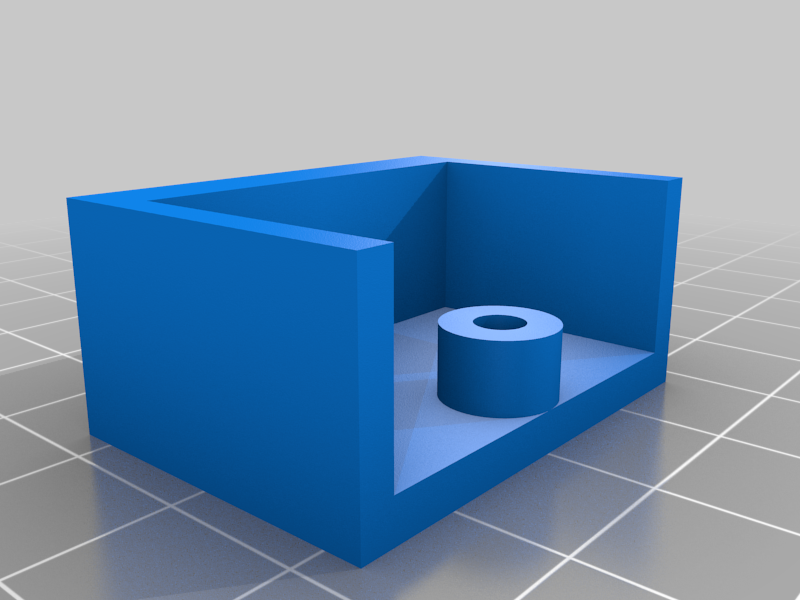 stl
stlRoller_shaft.stl
389 Ko · 2 182 téléchargements
-
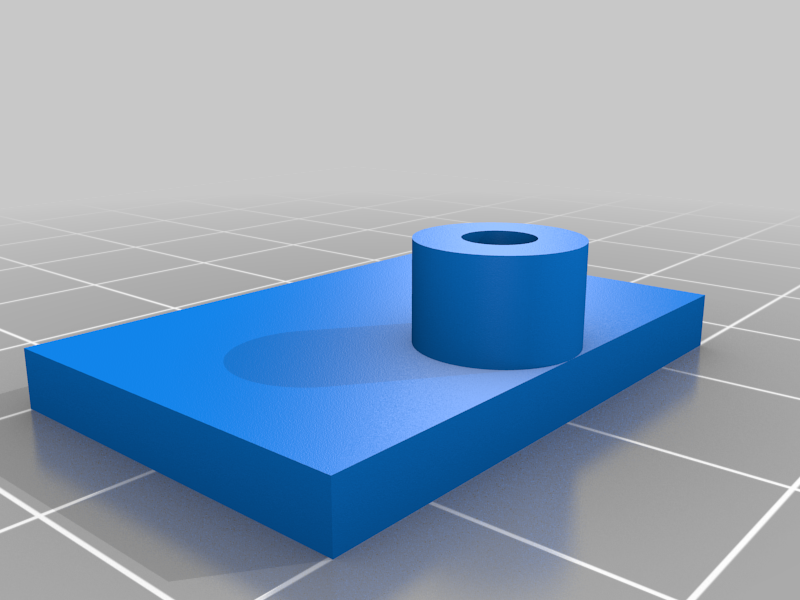 stl
stlRoller_shaft_cover.stl
396 Ko · 2 193 téléchargements
-
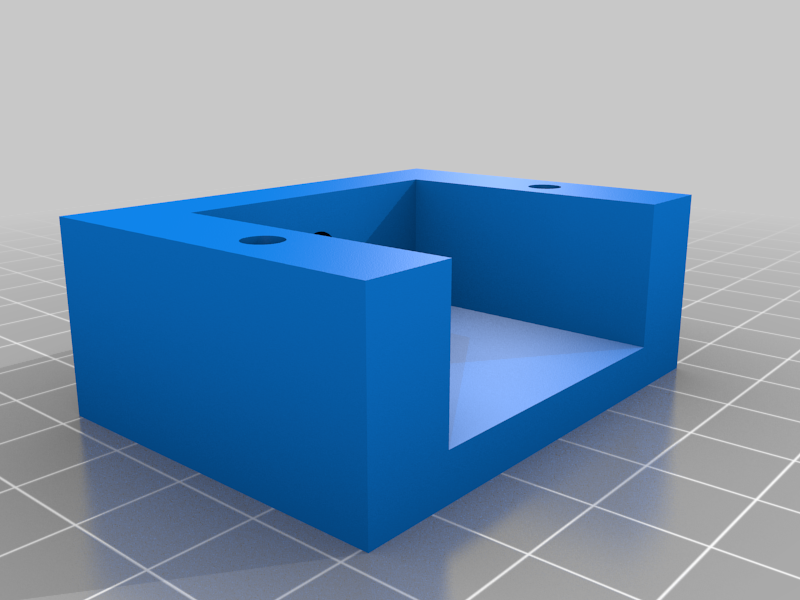 stl
stlRoller_support.stl
759 Ko · 2 169 téléchargements
-
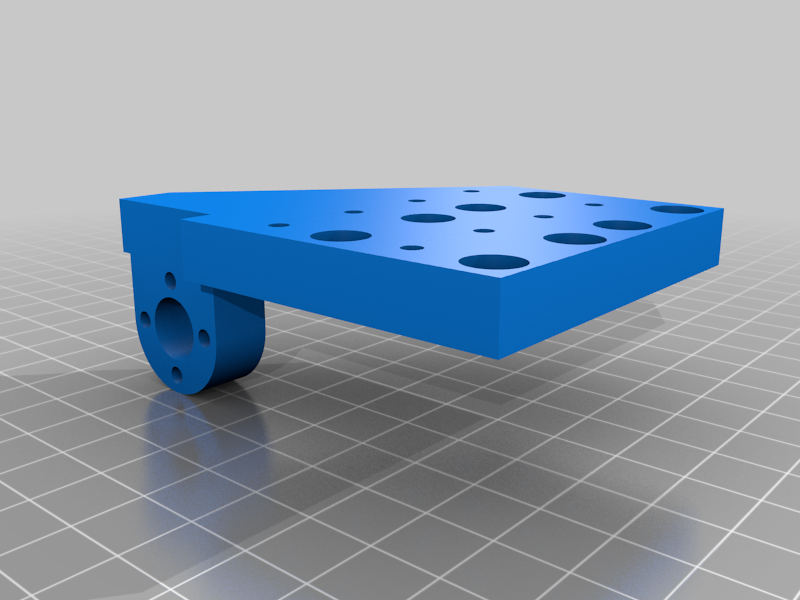 stl
stlBearing_support_regular.stl
4.5 Mo · 2 176 téléchargements
-
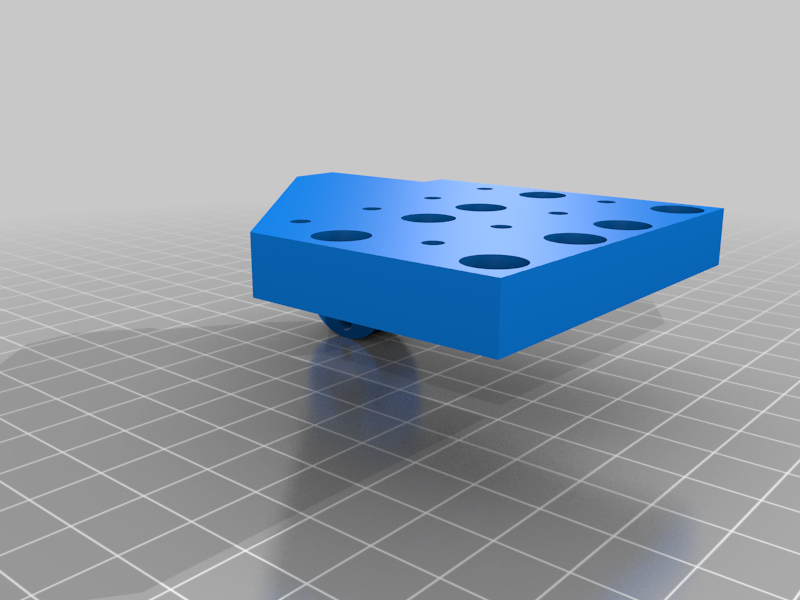 stl
stlBearing_support_invers.stl
4.5 Mo · 2 186 téléchargements
-
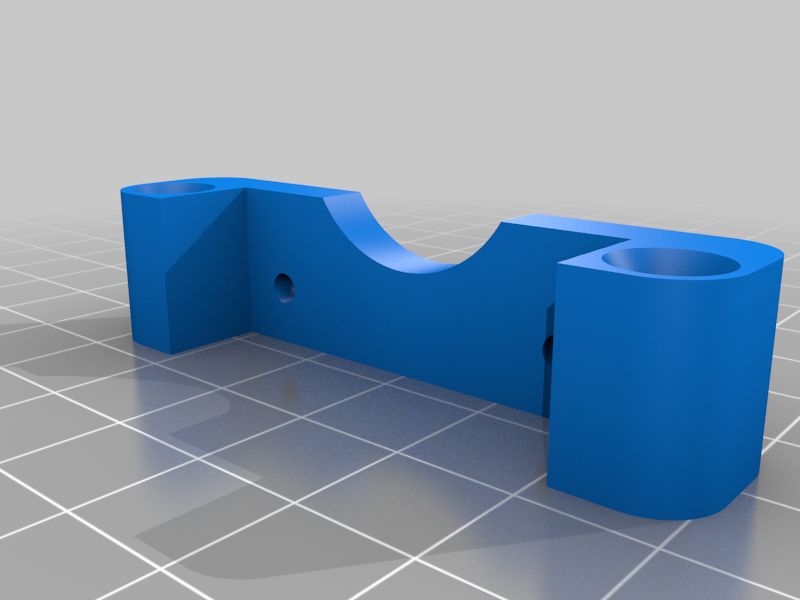 stl
stlNEMA_Support.stl
840 Ko · 2 182 téléchargements
-
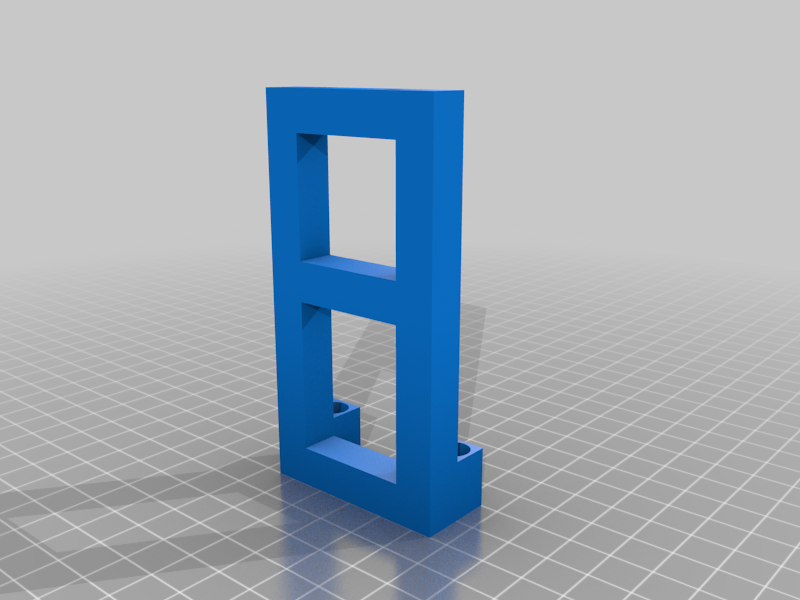 stl
stlZ_support.stl
885 Ko · 2 184 téléchargements
-
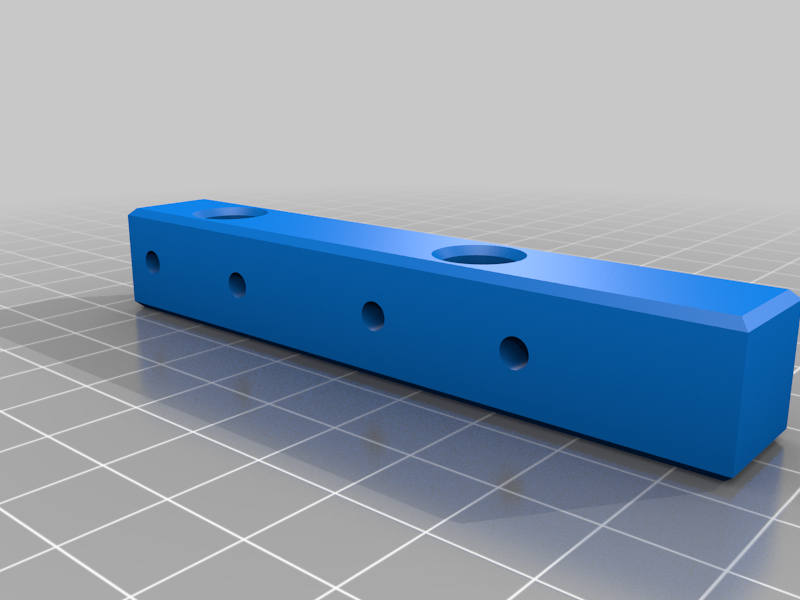 stl
stlEndstops.stl
1.1 Mo · 2 178 téléchargements
-
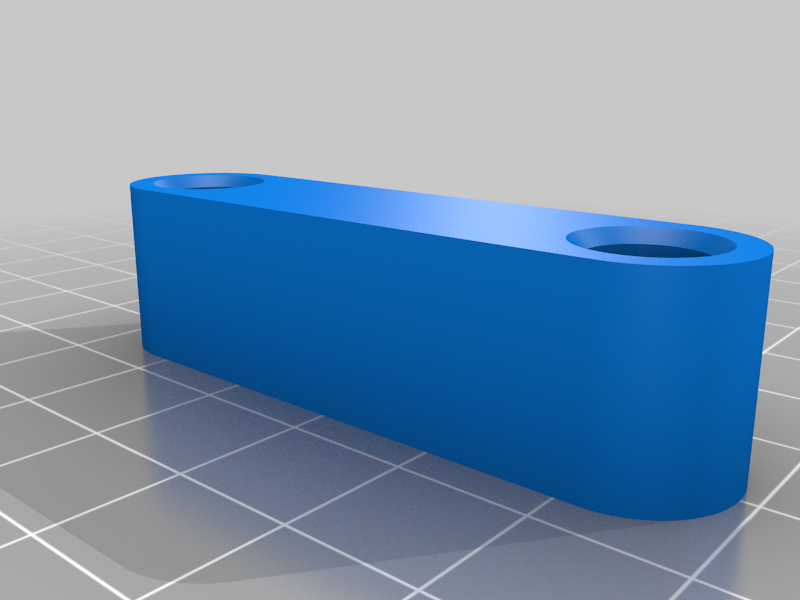 stl
stlCalibration_Spacer.stl
861 Ko · 2 166 téléchargements
-
 stl
stlRound_9mm.stl
346 Ko · 2 172 téléchargements
-
 stl
stlRound_3mm.stl
346 Ko · 2 174 téléchargements
Description
I was quite surprised to find out how expensive assistive technology is. A mechanical braille embosser cost over a 1000$USD and an electronic goes from 3000$ up to 5000$. I tough about making one for a friend but I couldn't find a DIY version, so I decided to make one myself. This isn’t, by any means, a finish product. By making the machine an open source project, I am hoping others will improve the design. In a near future, with the help of others makers, OpenBraille will reduce the cost of these printers and it will allow anyone with a visual imparity to read and write. So, if you know someone, if you are a maker, if you are curious or if you want to help out, please feel free to follow this tutorial and help me built a community around OpenBraille.
The encoder is pretty much the heart of the embosser. Most of the commercial machines emboss the dots by impacting the sheet. Because it’s harder to build a precise machine out of 3D printed parts, I designed a different system. Instead of impacting and applying all the energy in a single hit, OpenBraille uses a physical encoder and a roller. This way, the embossing is gradually done and the parts can be easily printed.
https://www.youtube.com/watch?v=ocXuGkUpLOI&feature=youtu.be
https://www.youtube.com/watch?v=qmcVlPqy9-o
Follow the instructions at :
https://www.instructables.com/id/OpenBraille-a-DIY-Braille-Embosser
Facebook page:
https://www.facebook.com/OpenBraille-Braille-printer-in-OpenSource-109726986377498/