
3D-Printed Optical Bench - Basic Components
 par PrintedLabs


Fichiers imprimables (10)
-
 stl
stlITEM60x30-Base.stl
286 Ko · 108 téléchargements
-
 stl
stlITEM60x30-BaseFoot.stl
346 Ko · 101 téléchargements
-
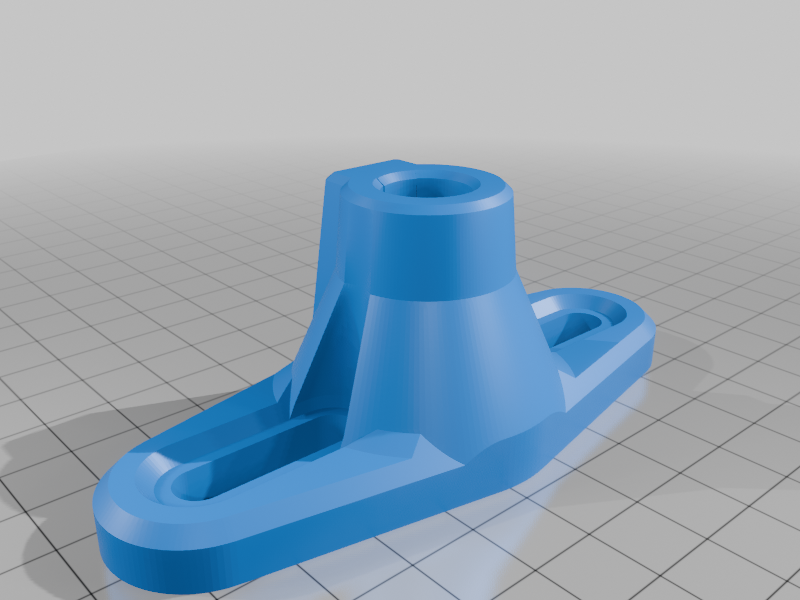 stl
stlPostmount_table.stl
1.3 Mo · 111 téléchargements
-
 stl
stlPostmount_bench.stl
836 Ko · 117 téléchargements
-
 stl
stlPostmount2_table.stl
817 Ko · 101 téléchargements
-
 stl
stlITEM60x30_AngleConnector.stl
68 Ko · 92 téléchargements
-
 stl
stlITEM60x30_nut6.stl
23 Ko · 98 téléchargements
-
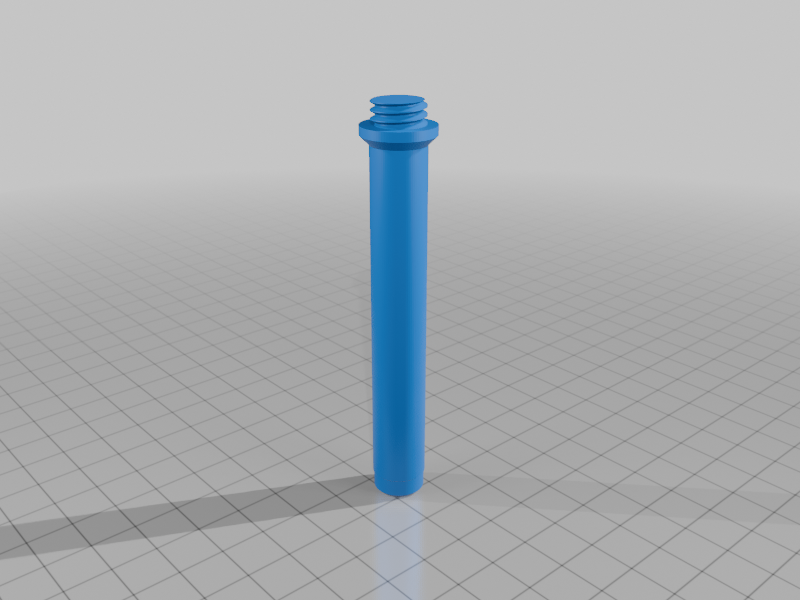 stl
stlPostD12_85mm.stl
608 Ko · 108 téléchargements
-
 stl
stlPostD12_60mm.stl
1.2 Mo · 106 téléchargements
-
 stl
stlPostD12_35mm.stl
1.3 Mo · 110 téléchargements
Description
If you want to build your own optical experiment, here are the basic components. With this 3D printable stand and connectors you can turn any 60x30mm aluminium profile into an optical bench. Also included are the post mount with nut and post to attach any optical elements to your bench.
For further information check our website https://printedlabs.uni-bayreuth.de/en/modelldatenbank.
PrintedLabs
Are you looking for exciting projects and creative experimentation in the STEM field? Then visit our website PrintedLabs.Uni-Bayreuth.de and take a look around. Whether you are a teacher, student or hobbyist and curious about physics and other STEM subjects - we offer a platform with a constantly growing selection of project ideas, DIY lab equipment from the 3D printer and matching software. Plus, of course, the necessary tutorials and assembly instructions.
To get started yourself, download our 3D models, software and instructions for free and experience for yourself how easy and inexpensive it is to realise your own experiments. With PrintedLabs, we not only want to awaken the joy of science and STEM subjects, but also promote analytical thinking, problem-solving skills and structured working methods. Our claim to ourselves is:
- To make science and STEM subjects fun through self-built "lab equipment" and its application.
- Developing analytical and creative thinking, problem-solving skills and learning structured working methods for setting up and carrying out scientific experiments.
- The teaching of basic knowledge of data processing and the evaluation and interpretation of measurement data.
- Good performance for detailed experimental results.
- Compatibility of all components and associated software.
- Simple and cost-effective assembly using standard tools and additional components.
- Robust 3D-models in printing, production and handling.
- High modularity to enable "free experimentation".